Excavator extended arms play a crucial role in complex working conditions such as mining, high-rise foundation pits, and river dredging due to their large working radius and wide range. However, their structural characteristics necessitate strict adherence to operating and usage standards to balance construction efficiency and equipment safety.
First, the arm length and load capacity should be appropriately selected based on the working conditions. When the extended arm is in its extended state, the lever arm effect is significant, and the overturning moment increases exponentially when the end is under load. Operators must refer to the equipment's rated load table and strictly prohibit overloading or heavy-load operations at the extreme amplitude to prevent arm deformation, weld cracking, or even machine instability.
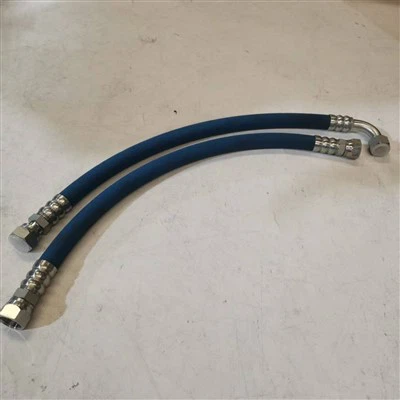
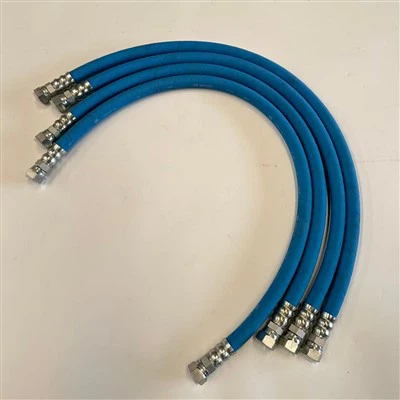
A thorough inspection is required before operation, including the lubrication status of the arm hinge pins and bushings, the sealing of hydraulic lines, and the tightness of cylinders and connecting parts. Any abnormalities should be addressed promptly; operation with defects is strictly prohibited. After starting, a low-speed trial operation should be performed to ensure smooth extension, luffing, and slewing without abnormal noises before proceeding to normal operating conditions.
During operation, movements should be smooth, avoiding sudden starts, stops, or rapid changes of direction. The extended boom has significant inertia; sudden force application can easily cause violent swaying, affecting positioning accuracy and potentially causing the load to swing and collide with surrounding facilities or personnel. When operating in confined spaces or on slopes, the boom length should be appropriately reduced to minimize center of gravity shift, and a dedicated person should be assigned to direct operations, or a monitoring system should be used to assist in observing blind spots.
Environmental risks should not be ignored. In strong winds, rain, snow, or when the ground's bearing capacity is insufficient, the operating radius should be reduced or operation suspended to prevent tipping and machine entrapment. Unauthorized personnel are strictly prohibited from entering the operating radius, and the lifting or excavation path must be clear of obstructions.
Routine maintenance must be performed on time, including periodically replenishing grease at all lubrication points, checking bolt torque, and replacing filters and hydraulic oil to maintain joint flexibility and system cleanliness. Welds and structural components should be periodically inspected for flaws to detect fatigue cracks early.
In summary, the safe and efficient use of excavator extended arms stems from rigorous control over the entire process of selection, inspection, operation, and maintenance. Only by operating within a standardized framework can its extended advantages be fully utilized, ensuring the smooth progress of projects.