As a core component extending the operational capacity of an excavator, the choice of materials directly affects the load-bearing capacity, durability, and safety of the equipment. In complex and ever-changing construction environments, only by relying on high-performance materials and precision manufacturing processes can the arm maintain stable performance under long-distance, high-load conditions.
Currently, the main structure of extended arms generally uses high-strength low-alloy structural steel. Typical grades possess excellent yield strength and toughness ratios, allowing them to withstand repeated bending and impact loads while ensuring lightweight construction. After quenching and tempering, this type of steel has refined grains and reduced internal stress, effectively improving fatigue resistance and meeting the needs of long-term cyclical operations. For extreme loads or special working conditions, some extended arms will use higher-strength alloy steel, supplemented by localized heat treatment to simultaneously enhance the hardness and wear resistance of key stress areas.
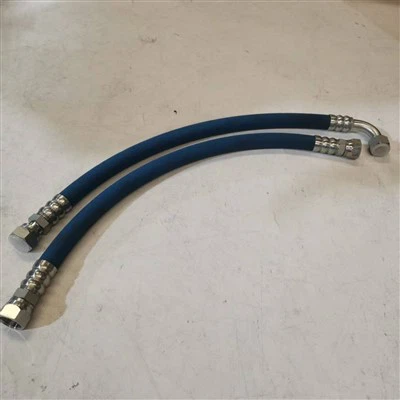
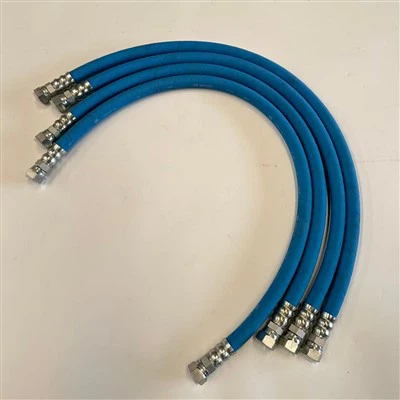
The internal stiffeners and reinforcing frames of the arm often use thick-walled steel plates or specific cross-section profiles. Through reasonable layout, overall rigidity is improved, preventing excessive deformation during extension and luffing. Connecting pins and bushings are typically made of high-quality carbon steel or alloy structural steel, and surface hardened or chrome-plated to reduce the coefficient of friction, improve wear resistance and corrosion resistance, and ensure smooth long-term operation of the articulated parts. Hydraulic piping materials emphasize pressure resistance and anti-aging properties, often using composite layers of special rubber and synthetic fibers to ensure no leakage or deformation under high-pressure hydraulic pressure.
In the manufacturing process, welding quality is crucial to the performance of the materials. Using low-hydrogen welding rods and preheating and post-heating processes reduces the risk of cold cracking in the welds, and non-destructive testing ensures continuous and dense welds. This synergistic optimization of materials and processes gives the extended boom a lightweight, high-strength, and highly reliable design, enabling continuous and stable operation in harsh environments such as mine stripping, high-rise foundation pits, and river dredging, providing a solid guarantee for the efficient operation of construction machinery.