As a critical transmission component of hydraulic systems, the construction quality of hydraulic pipes directly impacts the reliability and safety of equipment operation. Adhering to unified construction standards under different working conditions and engineering applications can minimize the risks of leakage, pipe bursts, and performance degradation, ensuring stable system operation under high pressure, high speed, and complex environments.
During the construction preparation phase, hydraulic pipes and fittings of matching specifications should be selected according to the design drawings and system pressure rating, ensuring compatibility in terms of pressure resistance, inner diameter, and hydraulic fluid type. Before construction, pipes and fittings must be inspected to confirm the absence of cracks, bulges, aging, and surface damage. Oil stains and impurities should be removed from the inside of the pipes and fittings with a clean cloth to prevent foreign objects from entering the system and causing wear or blockage.
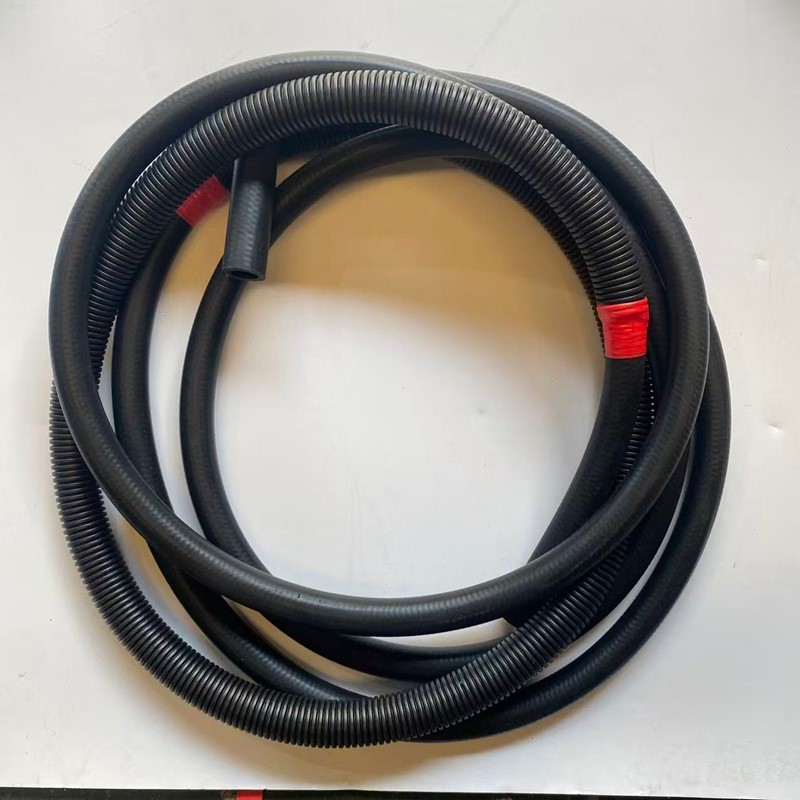
Pipeline layout must comply with standard specifications, prioritizing straight lines or gently curving routes, avoiding sharp angle bends and sharp twists. The bending radius must not be less than the manufacturer's minimum value to prevent stress concentration and fatigue failure in the pipe wall. The spacing between the fixed supports and clamps should be reasonably set to ensure that the oil pipes will not experience relative displacement or friction damage due to vibration during equipment operation. High-pressure sections should preferably use a combination of rigid and flexible pipes. Rigid pipes are used in fixed sections to ensure shape stability, while flexible pipes are used in moving sections to absorb vibration and compensate for installation errors.
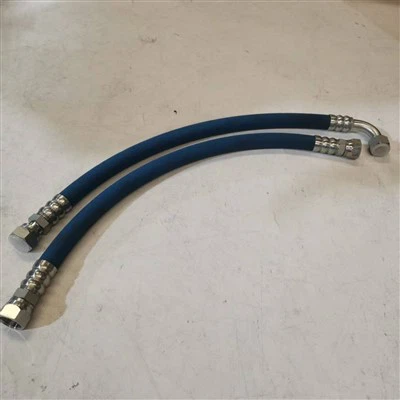
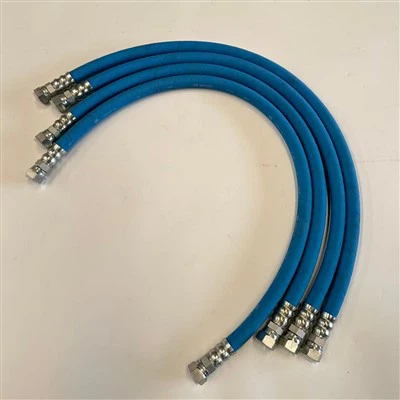
Connection operations should be strictly performed according to the process. Crimping joints require specialized equipment to control the crimping position, compression amount, and number of crimps to ensure uniform and secure crimping. Flange connections should have bolts tightened evenly in a diagonal sequence to ensure balanced force on the sealing surface and prevent misalignment. After all connections are completed, a preliminary leak test should be performed under low pressure. Operation can only commence after confirming no visible leaks.
During system commissioning and acceptance, the pressure should be slowly increased to the rated pressure and maintained for a certain period to check for leaks, expansion, or abnormal noises at each connection point and in the pipeline. During operation, avoid striking, bending, or disassembling the oil pipes under pressure. All maintenance must be performed after depressurization. As-built documentation should include a pipeline routing diagram, joint types and torque records, and pressure test results for future maintenance traceability.
By adhering to hydraulic pipe construction standards and implementing strict controls at each stage, from selection and layout to connection and acceptance, the overall quality and operational safety of the system can be effectively improved, providing a solid guarantee for the long-term stable operation of hydraulic equipment.