An excavator extended boom is not a simple extension of a single component, but a collaborative system formed by the scientific design and precise assembly of multiple functional parts. Its assembly method revolves around three core aspects: structural reinforcement, power transmission, and stability control, aiming to achieve a balance between expanding the working radius and overall machine performance.
The main structure consists of an extended boom, an extended stick, and a connecting seat. The extended boom typically adopts a segmented design, achieving rigid connection through high-strength pins and flanges, ensuring the scalability of the boom length while avoiding excessive weight due to overall length. The extended stick adds segments to the conventional stick, with optimized variable cross-sections to reduce deflection after extension. The connecting seat, as the interface between the boom and the main chassis, must precisely match the original machine's key mounting holes and hydraulic pipeline interfaces to ensure seamless connection of power input and signal transmission.
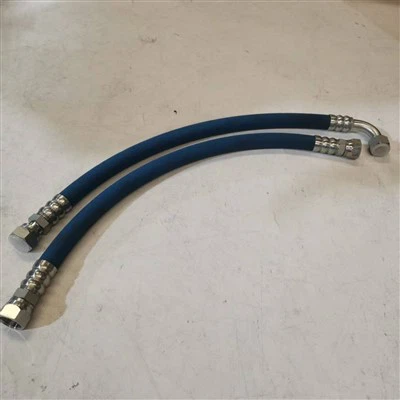
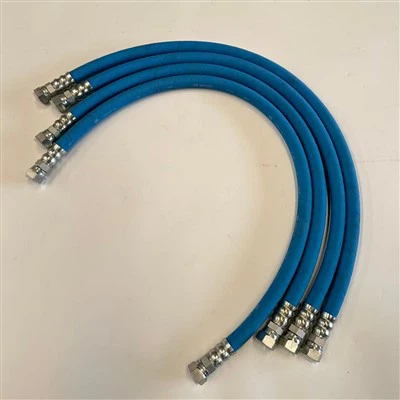
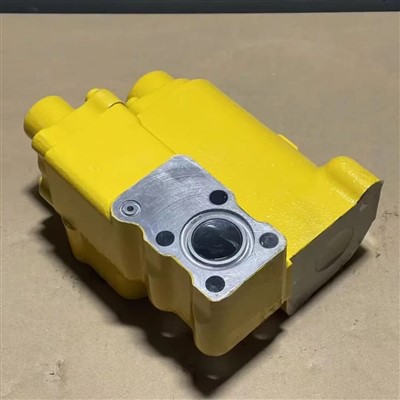
The power transmission system consists of dedicated hydraulic cylinders and piping components. The boom cylinders and stick cylinders配套 with extended booms need to be redesigned. Cylinder diameter, stroke, and working pressure must be calculated and determined based on the boom's load characteristics to ensure that the thrust and speed of the telescopic movement meet the working conditions. Hydraulic lines must use a combination of high-pressure hoses and large-diameter rigid pipes, with optimized routing to reduce pressure loss. Relief valves and two-way locking devices should be installed at key points to prevent unexpected pressure loss from causing boom loss of control.
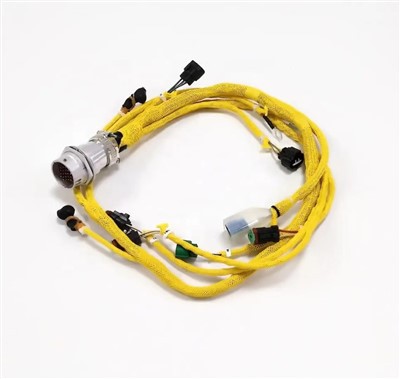
The stability control system includes a counterweight adjustment and sensor feedback unit. To counteract the center of gravity shift caused by the extended boom, an adjustable counterweight must be installed at the tail of the main unit or on the chassis. Its weight and position must be verified through mechanical simulation. Some high-end extended booms also integrate angle and pressure sensors to monitor boom posture and cylinder load in real time, feeding the data back to the operating interface to assist operators in precisely controlling the working amplitude.
The composition of each component must follow the logical sequence of "first structural matching, then power adaptation, and finally stability calibration". Through modular prefabrication and on-site precision assembly, an extended operation system that works in synergy with the original machine is finally formed, providing reliable support for efficient construction under complex working conditions.