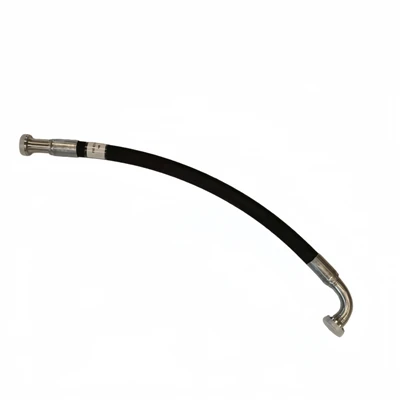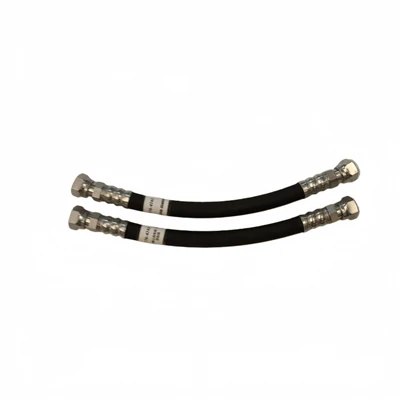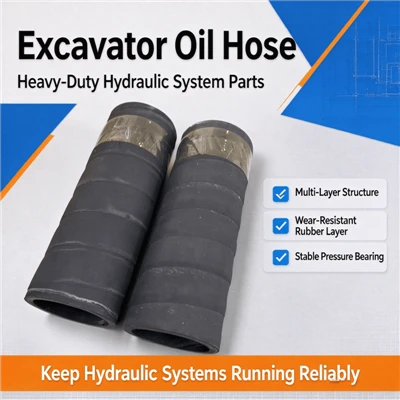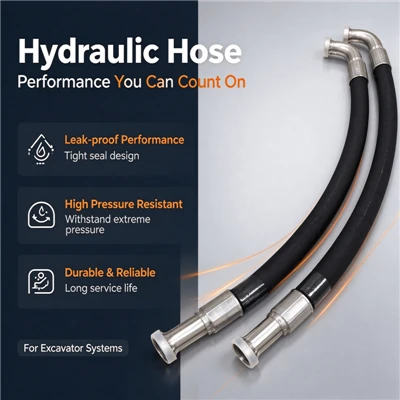
Recently, the construction machinery maintenance sector has been advancing standardized management for hydraulic pipelines. Statistics indicate that most burst incidents of excavator oil pipes stem not from product quality issues, but from improper installation, operation and maintenance. Standardized maintenance can effectively prolong the service life of excavator oil pipes, cut safety risks and lower costly downtime.
Installation is where hidden faults most often occur. Common issues include twisted hoses, insufficient bending radius, missing fixing clamps, and continuous friction against the machine's steel frame, all of which speed up fatigue ageing of the rubber cover. Technical notes highlight that even minor twisting shortens the lifespan sharply. Forced tight bends create uneven stress on internal steel wires, triggering early failure under pressure surges. Besides, **excavator oil pipes** must be kept away from high-heat zones near engines and radiators, as sustained high temperatures harden and crack rubber.
On-site maintenance guidelines: Operators should check pipelines before every shift for leaks, bulges, outer rubber cracks and abrasion. Even with no visible damage, scheduled replacement is required under severe working conditions. Before servicing high-pressure lines, fully release residual hydraulic pressure. Never check for high-pressure leak points by hand to avoid injection injury from pressurized oil.
Domestic spare parts suppliers now offer supporting maintenance solutions, supplying matched clamps, wear-resistant sleeves and installation guides together with hose assemblies for dealers and repair workshops. Many construction firms have built pipeline logs to record installation dates and working conditions, adopting preventive replacement instead of the old reactive practice of replacing hoses only after bursts. As construction safety oversight gets stricter, standardized hydraulic hose maintenance will gain wider adoption, pushing parts manufacturers to upgrade their supporting services.