Widely applied in infrastructure construction, river regulation, foundation pit excavation and other projects, the excavator long arm serves as a core operating accessory thanks to its large operating radius and wide adaptability. Compared with standard arms, this special structural accessory bears greater load pressure. Operating long-term in harsh working environments filled with dust, muddy water and gravels, it is prone to structural deformation, weld cracking, hydraulic leakage and component wear. These failures will not only hinder construction progress and increase equipment maintenance costs, but also trigger potential safety hazards. Therefore, regular and standardized maintenance is essential to extend equipment service life and ensure stable and safe construction.
Daily appearance and structural inspection is the foundation of equipment maintenance and shall be carried out before and after each operation. Operators shall focus on the main body of the working arm, carefully checking the welds and connecting parts for cracks, deformation and paint peeling. It is also necessary to confirm that all connecting pin shafts and fixing bolts are tightly fastened and intact without looseness or loss. In addition, a comprehensive inspection of hydraulic oil pipes, joints and seals shall be conducted to check for aging, damage and leakage. Damaged accessories should be replaced and loose interfaces tightened in a timely manner to eliminate equipment faults at the source.
Precise lubrication is a core measure to reduce mechanical wear of the excavator long arm. Pin shafts and shaft sleeves are high-frequency friction components that are susceptible to dry wear and abnormal noise during long-term operation. Before daily operation, clean the sediment and impurities on all grease nipples and fill them with sufficient lubricating grease until the grease overflows evenly from the gaps to ensure full lubrication of friction parts. The lubrication frequency should be appropriately increased in harsh working conditions such as muddy and humid environments. For equipment that has been parked for a long time, all connecting parts must be fully lubricated before restarting operation to ensure flexible movement.
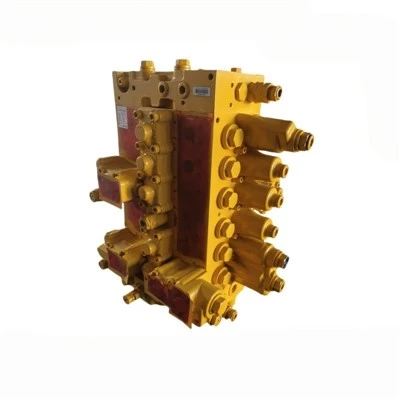
The maintenance of the hydraulic system directly determines the operating performance of the equipment. It is necessary to regularly check the liquid level and cleanliness of hydraulic oil, and replace hydraulic oil and filter elements in strict accordance with the equipment maintenance cycle to prevent pipeline and valve blockage caused by dirt. Meanwhile, key hydraulic components such as bucket holding valves and regeneration valves shall be inspected regularly. Timely troubleshoot problems including valve core jamming and spring aging and wear to avoid common faults such as unsmooth retraction, automatic sinking and insufficient power, ensuring stable operation of the hydraulic system.
Standardized operation and post-operation maintenance are the keys to long-term effective protection. During construction, overload operation, violent impact and forced excavation are strictly prohibited to prevent structural damage caused by long-term overloading of working parts. After daily operation, place the arm in a stable and safe position, and clean the sediment and gravels on the surface to complete rust removal and dust prevention. In summary, adhering to daily inspection, standardized lubrication, regular maintenance and standardized operation can effectively reduce the failure rate of the excavator long arm, greatly cut maintenance costs, and guarantee efficient and safe engineering construction.