Construction machinery parts are fundamental elements ensuring the normal operation and performance of the entire machine. They are diverse in type and function, and can be categorized into several main types based on their positioning and role within the mechanical system. Scientifically classifying parts helps clarify their functional attributes, optimize selection and matching, improve maintenance efficiency, and provide a clear framework for supply chain collaboration and technological research and development.
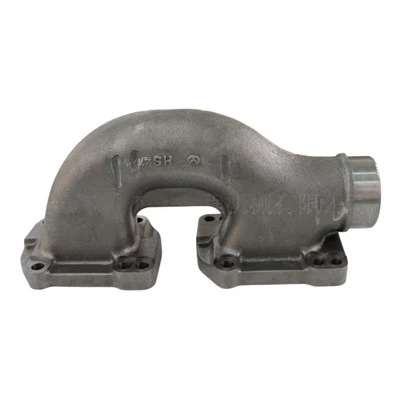
Based on function and purpose, construction machinery parts first include power transmission parts. These parts are responsible for the transmission and conversion of mechanical energy, typically including engine blocks and piston assemblies, clutch plates, transmission gear sets, drive shafts, couplings, and differentials. They need to maintain stable power connection and torque output under high-speed operation and heavy load conditions, thus requiring stringent standards in terms of material strength, processing precision, and wear resistance.
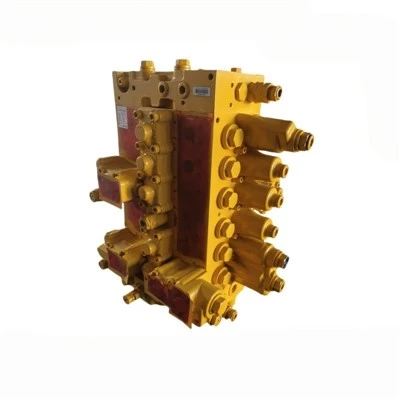
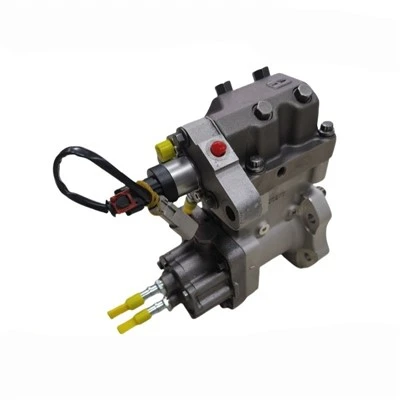
Secondly, there are hydraulic control parts, encompassing hydraulic pumps, hydraulic motors, various control valves (such as relief valves, directional valves, and flow valves), hydraulic cylinders, pipe joints, and seals. Hydraulic systems use fluid pressure to achieve high-power, flexible transmission. Components must possess excellent pressure resistance, leak-proofness, and contamination resistance, while maintaining responsiveness and precise movement under dynamic load changes.
Traverse equipment components are crucial for the movement and support of construction machinery. These include track assemblies, track rollers, carrier rollers, idlers, drive sprockets, and for wheeled machinery, axles, tires, and suspension components. These components endure long-term impact loads and ground friction, requiring a balance between structural strength, wear resistance, and shock absorption to adapt to continuous operation in complex terrain.
Actuating components directly act on the workpiece and commonly include buckets, grapples, breakers, milling drums, bulldozer blades, booms, and slewing platforms. The structural form of these components varies depending on the working conditions. Design must comprehensively consider stress distribution, wear and impact resistance, and coordination with the hydraulic system to ensure operational efficiency and durability.
Furthermore, there are electrical and sensing components, including starter motors, generators, batteries, controllers, sensors, instruments, and wiring harnesses. These components are responsible for energy supply, signal acquisition, and command execution during the overall machine operation, forming the hardware foundation for automated and intelligent control.
Finally, body panels and auxiliary accessories are also indispensable, such as the cab shell, protective covers, cooling system radiators, filters, fasteners, and lubrication systems. Although they do not directly participate in the main functions, they play a crucial role in environmental protection, thermal management, safety assurance, and routine maintenance.
In summary, the classification of these accessories reflects both functional division and system synergy. As construction machinery develops towards larger scale, greater intelligence, and greener practices, the connotation and extension of accessory categories will continue to expand, and technical requirements will continuously increase, thus providing solid support for the leap in overall machine performance and the high-quality development of the industry.