

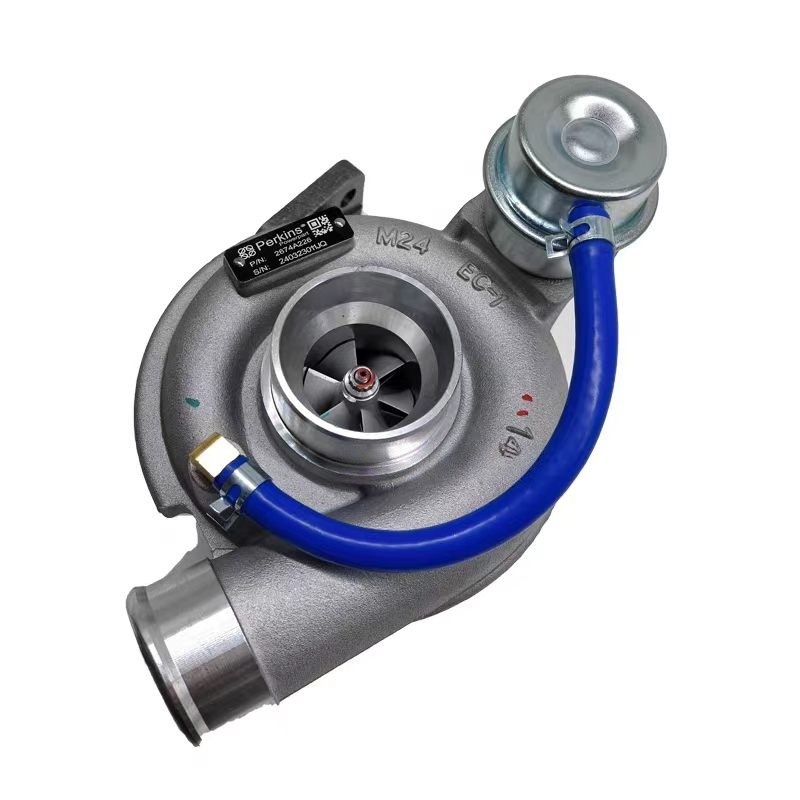
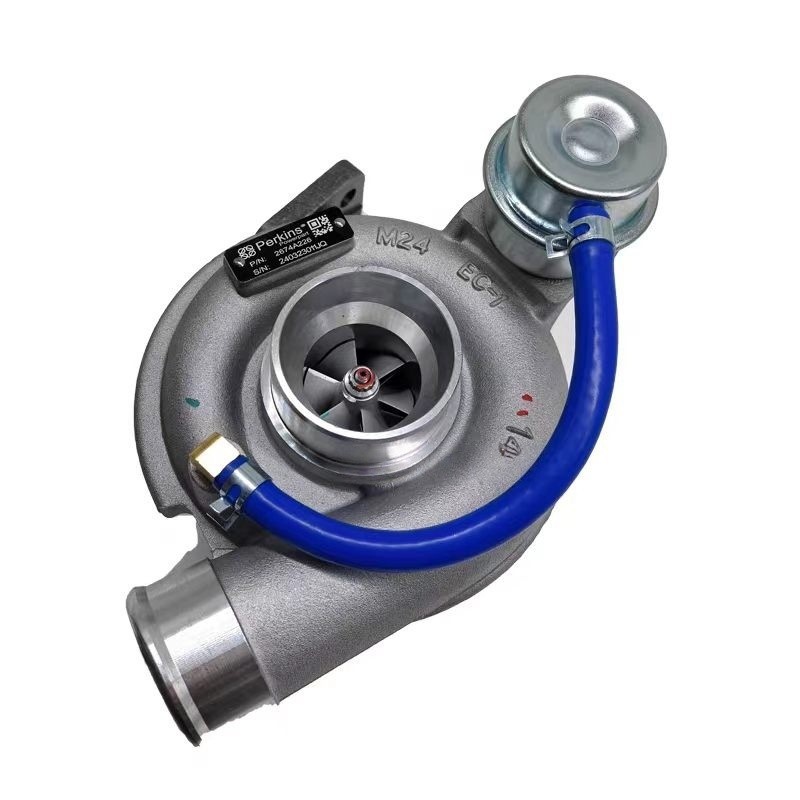
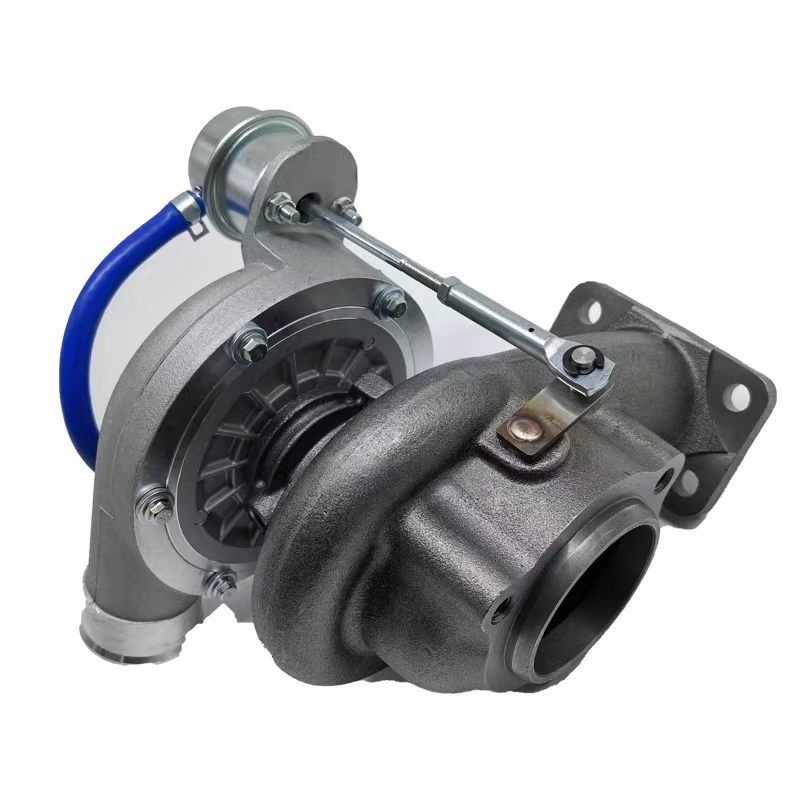
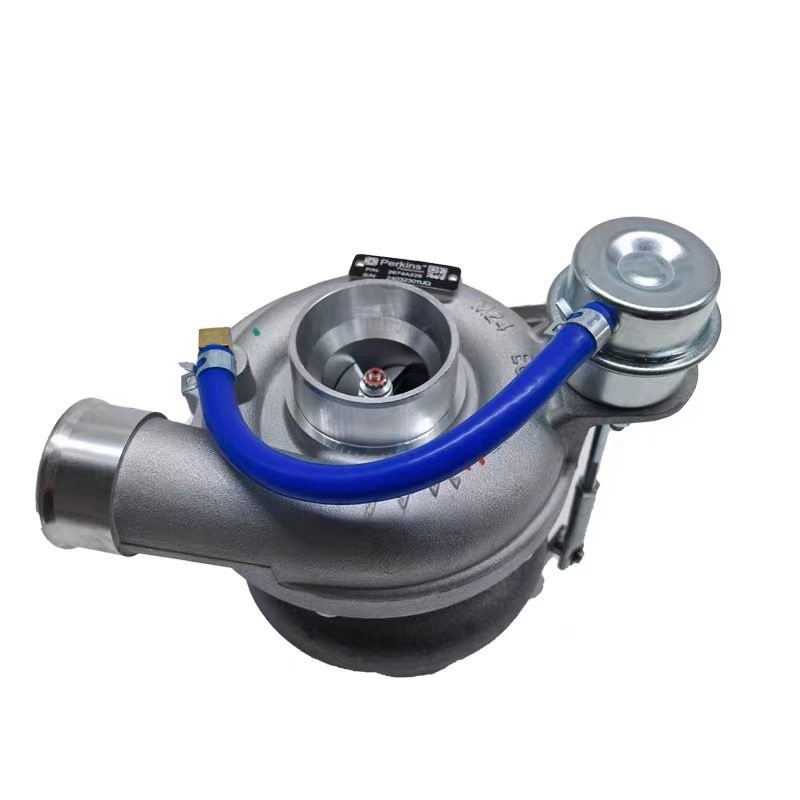
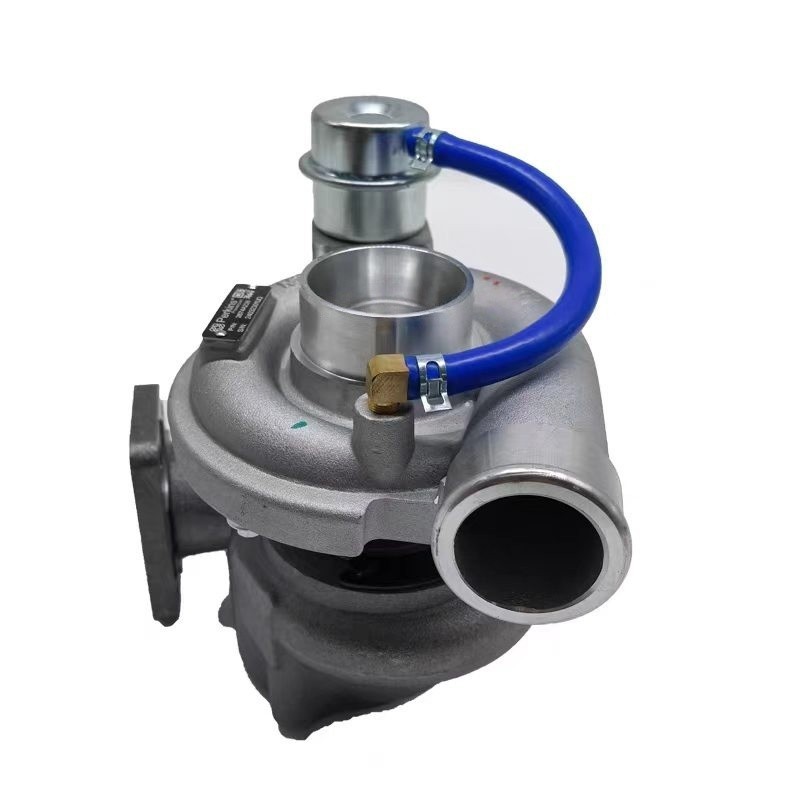
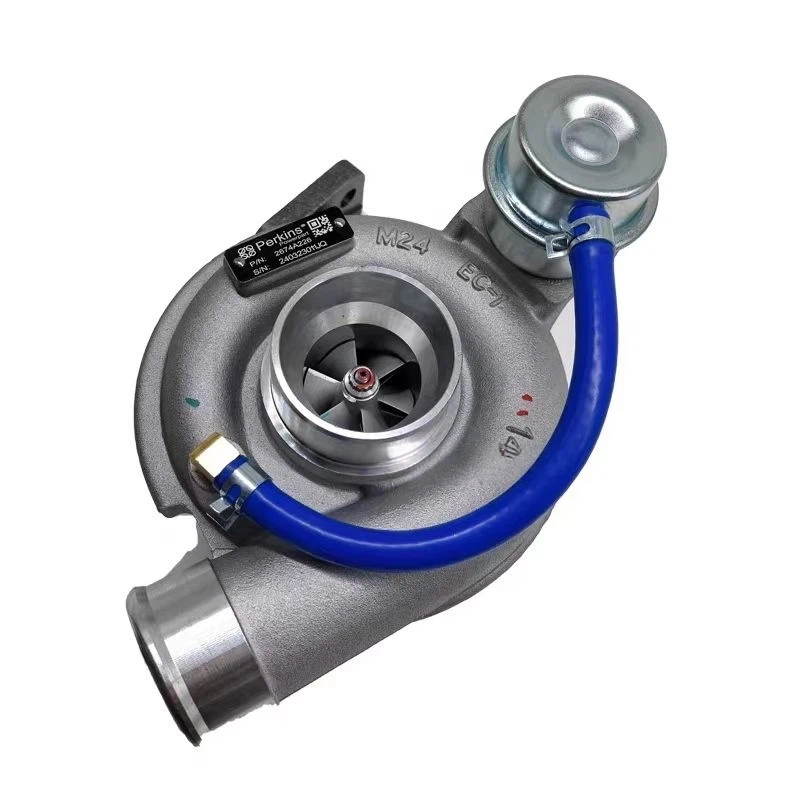
From years of on-site repair and fleet maintenance for CAT small-frame excavators, I've encountered recurring turbo-related issues on 312D and 313D2GC units equipped with C4.4 engines. Most of these machines develop noticeable performance degradation after 6000 to 8000 hours of field operation. Common on-site symptoms include slow throttle response, insufficient digging torque during low-load trenching, and faint black smoke when accelerating. After repeated disassembly and inspection, these problems mostly stem from worn turbo rotor assemblies, aging sealing structures, or mismatched aftermarket turbos with incorrect factory calibration. In daily replacement work, the Caterpillar Turbocharger (matching part numbers 482-0234, 558-6973 and T422423) is our go-to replacement solution. Unlike generic aftermarket products with unified and inaccurate calibration, this matched unit follows the original airflow and fuel injection logic of the C4.4 engine. In actual replacement cases, it effectively solves unstable power output and occasional system fault codes caused by component mismatch.
During long-term field comparison tests on construction equipment, I've observed that oil-cooled turbo structures deliver far more stable performance than water-cooled models on open job sites. This professional Caterpillar Turbocharger adopts a full oil circulation cooling system and mechanical wastegate structure, which adapts to the unpredictable outdoor working environments that small excavators endure year-round. On-site conditions are always harsh: cold winter early-morning startups with subzero temperatures, and continuous high-load operation under high summer heat. This unit requires no auxiliary cooling equipment and maintains stable operation throughout seasonal temperature changes. Its reinforced rotor components and multi-layer composite seals target two high-frequency failure points summarized from maintenance records: rotor abrasion from long-term high-temperature exhaust scouring, and oil leakage caused by persistent chassis vibration and field dust erosion.
The working state of the turbo directly affects the operating efficiency of 312D and 313D2GC excavators, which are mainly used for municipal renovation and light earthwork. On these job sites, machines frequently start and stop, switching between no-load and light-load states for hours every day. Old and degraded turbos cannot supply sufficient low-speed intake air, resulting in incomplete diesel combustion. On-site operators can clearly perceive this problem: the machine runs smoothly at idle speed but lacks power during fine grading and pipeline trenching. After replacing with this calibrated Caterpillar Turbocharger, intake air volume adjusts synchronously with real-time load changes. The balanced air-fuel ratio improves combustion efficiency, perfectly adapting to the frequent variable-load working mode of small excavators and eliminating most power attenuation and smoking faults in daily operation.
The most obvious improvement I've recorded in field use is the optimized low-speed boost performance. Most small CAT excavators rarely work under full load; over 80% of daily tasks are short-cycle repetitive operations, including greening leveling, foundation finishing and small-batch earthwork transfer. Ordinary universal turbos fail to maintain stable pressure output under low-speed intermittent working conditions, resulting in jittery power and low construction efficiency. This factory-calibrated unit makes up for this defect, outputting steady torque at low and medium speeds to make fine construction operations more precise. Additionally, it fully follows OEM installation dimensions and electronic matching parameters. In all our on-site replacement cases, no ECU reprogramming or structural modification was needed, which greatly shortens equipment downtime and avoids extra debugging work for maintenance personnel.
Fleet maintenance data accumulated over the years proves this turbo has outstanding site durability. The integrally thickened housing improves overall structural rigidity, resisting minor collisions and continuous chassis vibration on unpaved, rugged construction sites. Compared with thin-shelled low-cost aftermarket turbos, it significantly reduces premature failures such as rotor jamming and impeller wear caused by dust inhalation and long-term thermal fatigue. Stable and sufficient air intake also reduces cylinder carbon deposition, effectively slowing down internal engine wear and lowering the later maintenance frequency and cost of fleet equipment.
This turbo is highly compatible with the actual working scenarios of 312D and 313D2GC excavators. It performs stably in common urban municipal projects, pipeline laying, site leveling and small foundation earthwork, and can adapt to dusty open-air environments and long-hour intermittent operation. For aging C4.4 engine equipment with declining turbo performance, it is a practical and verified replacement option to restore the machine's original operating state and keep construction work stable.
Hot Tags: caterpillar turbocharger, China caterpillar turbocharger manufacturers, suppliers, factory, Excavator Narrow edge Digging Bucket, Hydraulic Stone Grab, Excavator Turbocharger, Excavator Working Device Pivot Pin, Excavator Mechanical Quick Coupler, Excavator Hydraulic Rotating Log Grapple


